Exploring the Rich Flavors of Sindhi Cuisine: A Journey Through Authentic Sindhi Food
When it comes to South Asian cuisine, Sindhi food often doesn’t receive as much international attention as its neighbors, such as Punjabi or Gujarati cuisines. Yet, the culinary traditions of the Sindhi people, hailing from the Sindh region in modern-day Pakistan, offer a vibrant and diverse array of dishes that are steeped in history and full of flavor.
A Brief Introduction to Sindhi Cuisine
Sindhi cuisine is a testament to the region’s rich cultural tapestry and history. The Sindh region, which lies in the southeastern part of Pakistan, has been a melting pot of various cultures, which is reflected in its culinary traditions. The cuisine is known for its robust flavors, distinctive spices, and a blend of both vegetarian and non-vegetarian dishes.
Key Ingredients and Spices
At the heart of Sindhi cooking are a few key ingredients that bring depth and complexity to its dishes. Some staples include:
- Chili Peppers: Sindhi cuisine is known for its bold, spicy flavors, achieved through the liberal use of chili peppers.
- Cumin and Coriander: These spices provide a warm, earthy undertone to many Sindhi dishes.
- Tamarind: This tangy ingredient adds a unique sour note that balances the heat and enhances the flavor profile of many dishes.
- Garlic and Ginger: Essential for creating a rich base in many Sindhi curries and stews.
Signature Sindhi Dishes
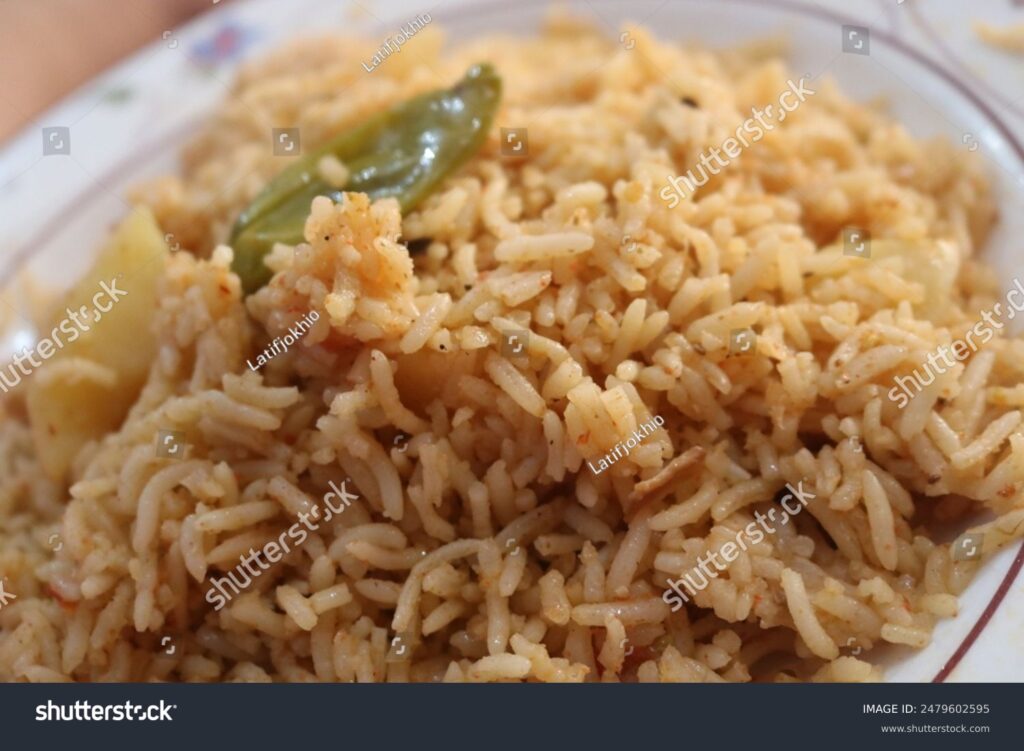
- Sindhi Biryani: This is perhaps the most famous Sindhi dish, and it’s renowned for its spicy, aromatic flavor. Unlike its counterparts from other regions, Sindhi Biryani often includes potatoes and a variety of meats such as chicken, beef, or lamb. The rice is cooked with a blend of spices, including garam masala, and layered with fried onions and fresh herbs.
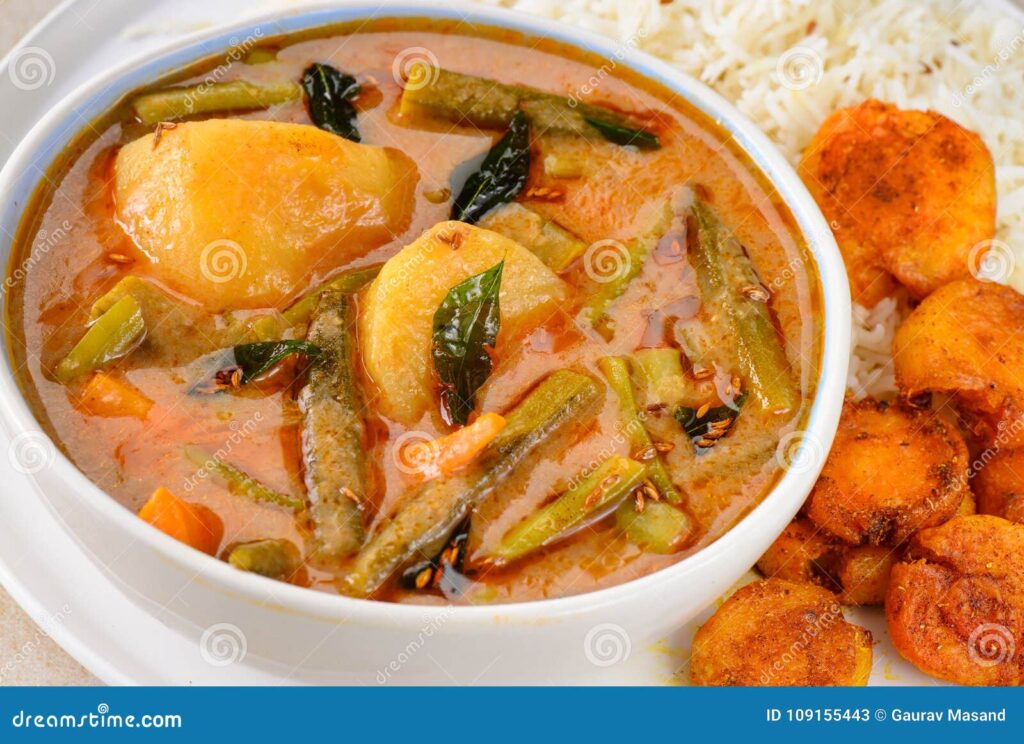
- Sindhi Karhi: A unique take on the classic curry, Sindhi Karhi is a tangy, spicy dish made with gram flour (besan) dumplings and vegetables. The curry base is often flavored with tamarind, which gives it a distinctive sourness that contrasts beautifully with the spiciness.
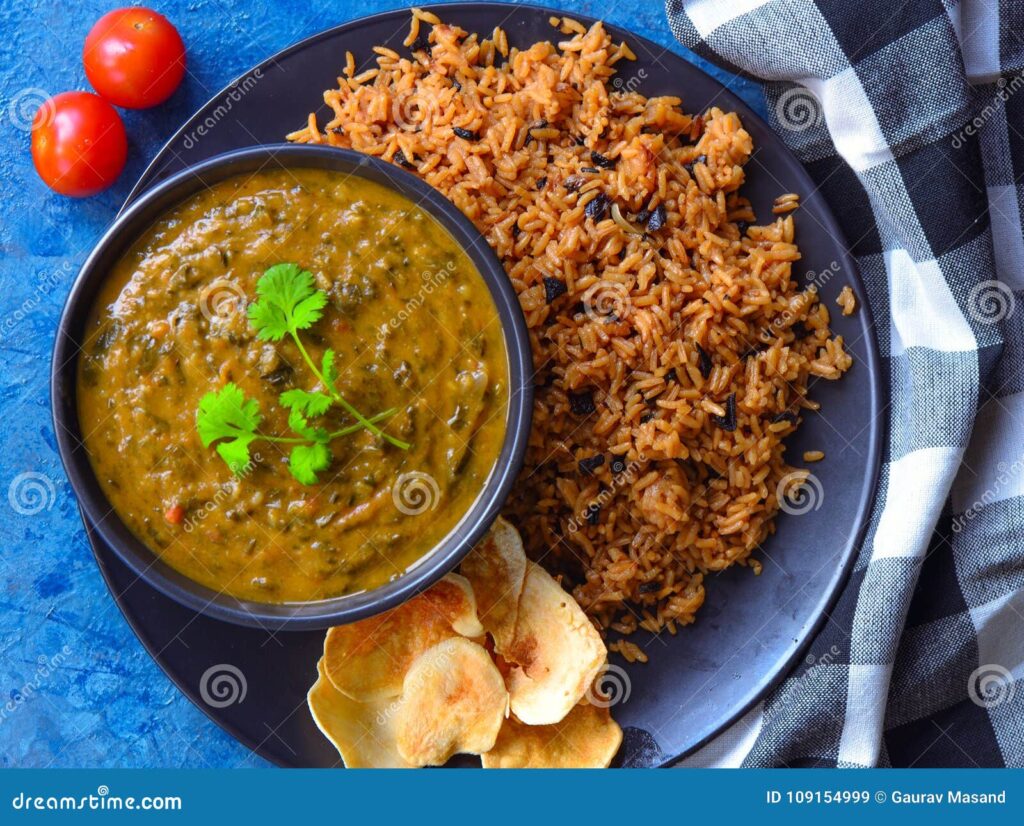
- Sindhi Saag: This dish is a vibrant mix of leafy greens cooked with spices, often served with fresh flatbreads. Unlike the Punjabi saag, Sindhi Saag incorporates a variety of greens, such as spinach and fenugreek, providing a depth of flavor and texture.
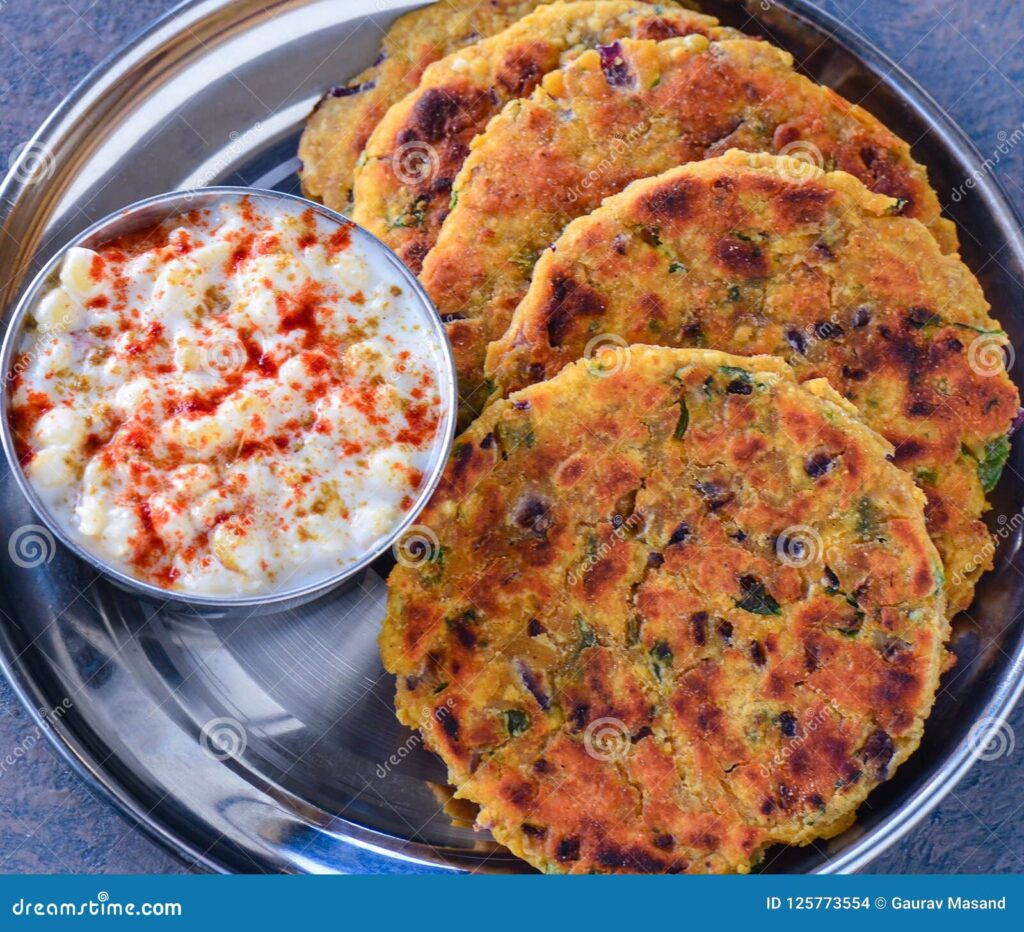
- Sindhi Koki: A type of flatbread that is somewhat similar to paratha, Koki is made with whole wheat flour and flavored with a mix of spices, onions, and sometimes, chopped vegetables. It’s often enjoyed with yogurt or pickles and makes for a hearty breakfast or snack.
Celebrating Sindhi Festivals Through Food
Sindhi food also plays a crucial role in various festivals and celebrations. For instance, during the festival of Cheti Chand, Sindhis prepare special dishes like Sindhi Pakoras (fried gram flour fritters) and Seviyan (sweet vermicelli). These dishes are not just about sustenance but are also a way to connect with cultural traditions and heritage.
The Experience of Sindhi Dining
Sindhi cuisine is not just about the food; it’s about the experience of sharing and savoring. Meals are often enjoyed with family and friends, and the food is typically served in a communal style. The warmth of Sindhi hospitality is reflected in the generous portions and the rich, comforting flavors of the dishes.
Final Thoughts
Sindhi cuisine offers a rich and flavorful exploration into the culinary traditions of the Sindhi people. Its robust spices, unique combinations, and hearty dishes provide a delicious glimpse into the culture and history of the Sindh region. Whether you’re enjoying a spicy bowl of Sindhi Biryani or savoring the tangy notes of Sindhi Karhi, each dish tells a story and invites you to experience the vibrant world of Sindhi food. So, next time you’re looking to explore something new in the world of cuisine, don’t overlook the diverse and delectable offerings of Sindhi culinary heritage.
Leave a Reply